BIP Intercultural Brussels, an international Bac 3 language project in the heart of the capital
As part of a collaboration between IHECS's International Department, the Languages Department, Windesheim University of Applied Sciences and the Anglo-American University in Prague, the second edition of the BIP (Blended Intensive Programme) – Intercultural Brussels was launched last March.
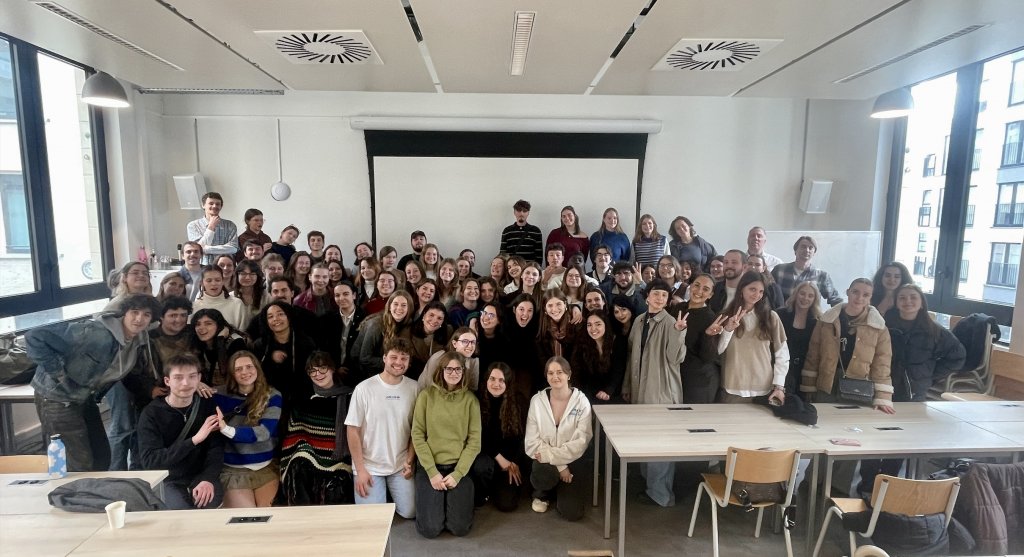
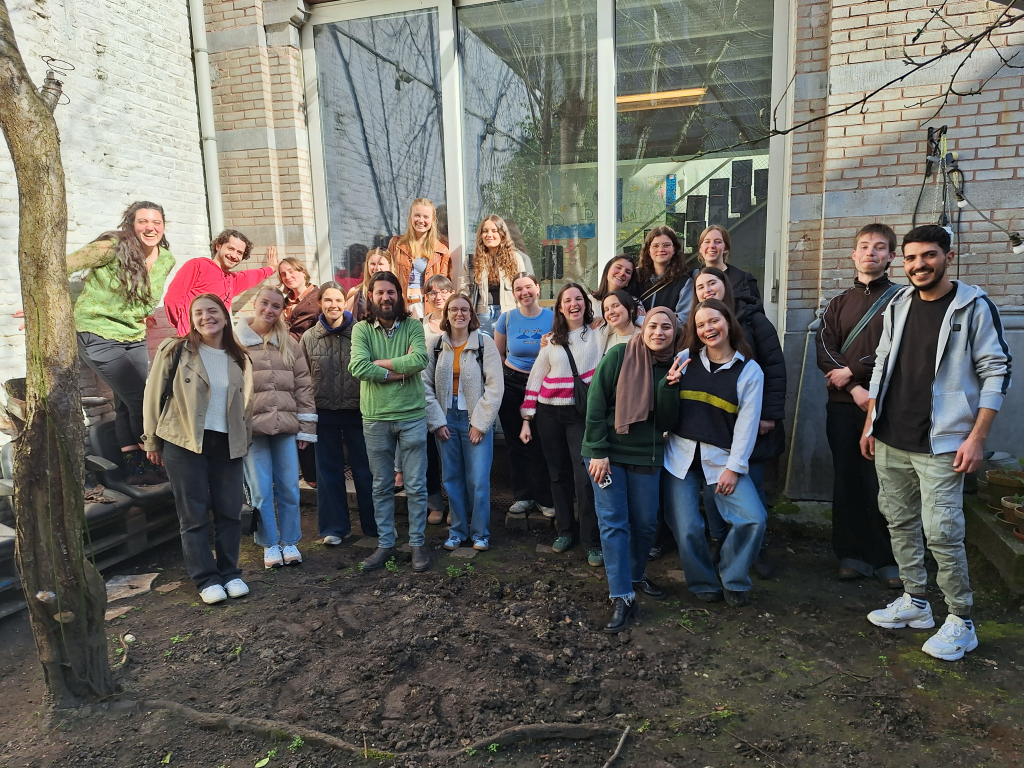
More than 80 students took part in this experience, including 60 of our BLOC 3 students enrolled in the MaCCS pre-orientation programme, joined by 20 others from six partner institutions: Kaunas, Prague, Zwolle, Riga, Szeged and Paris.
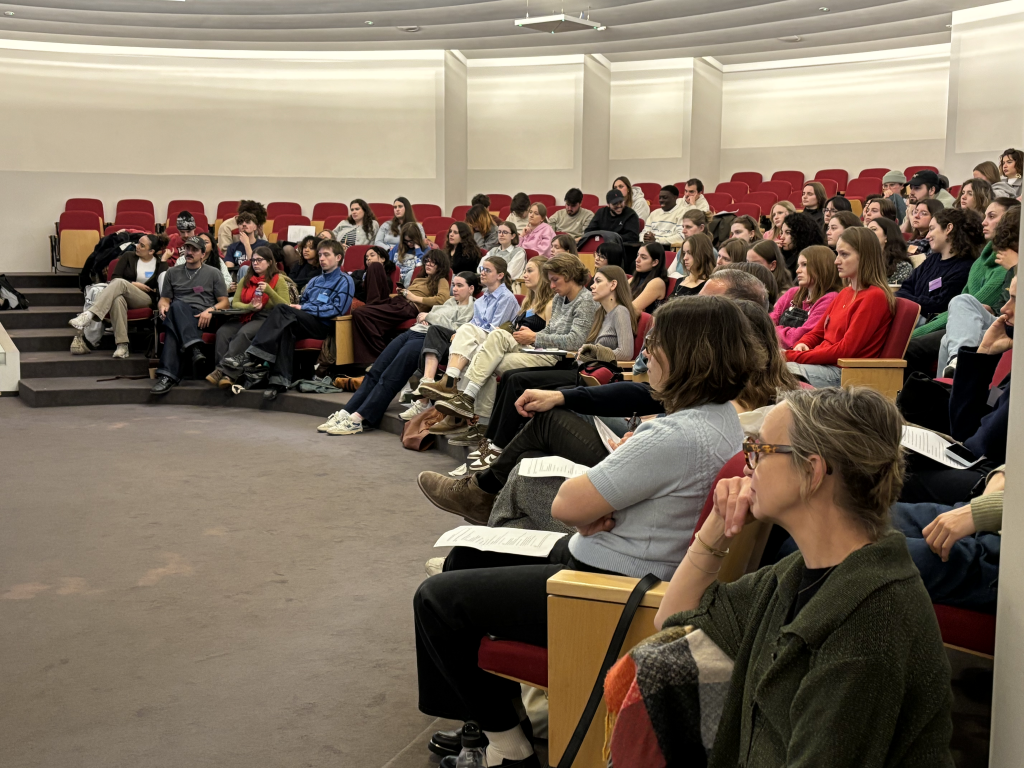
The aim of this week, organised between 17 and 24 March, was to bring students into contact with practitioners in the field of interculturalism, but also to encourage them to reflect on this subject through conferences and round tables with representatives from the academic world.
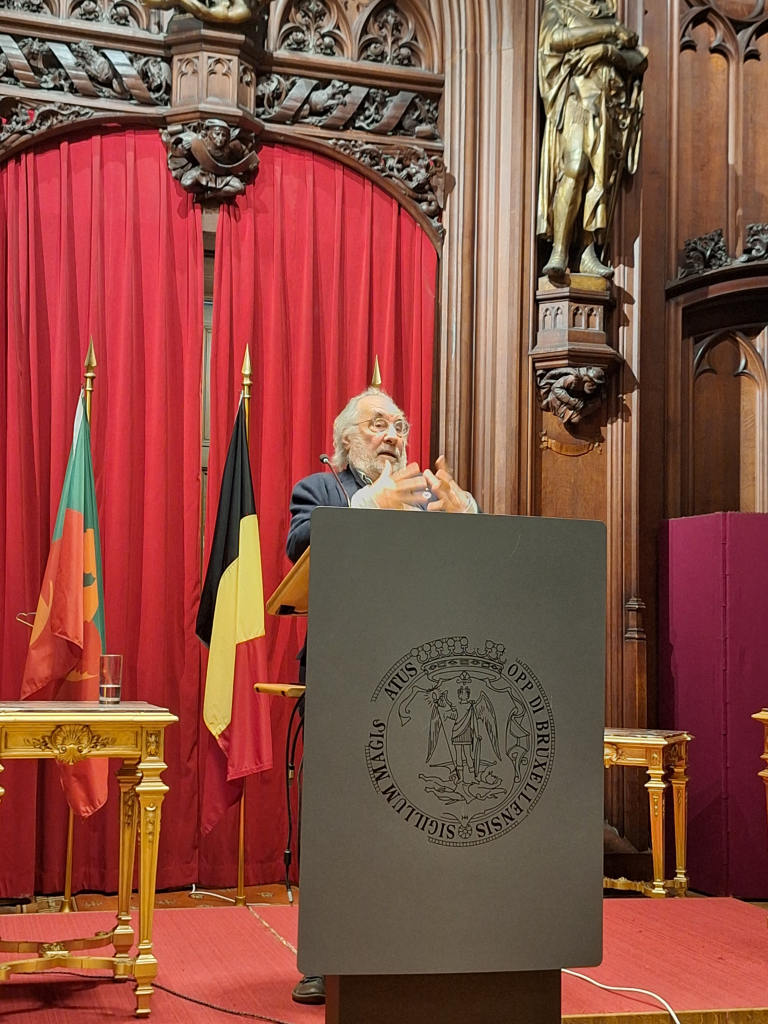
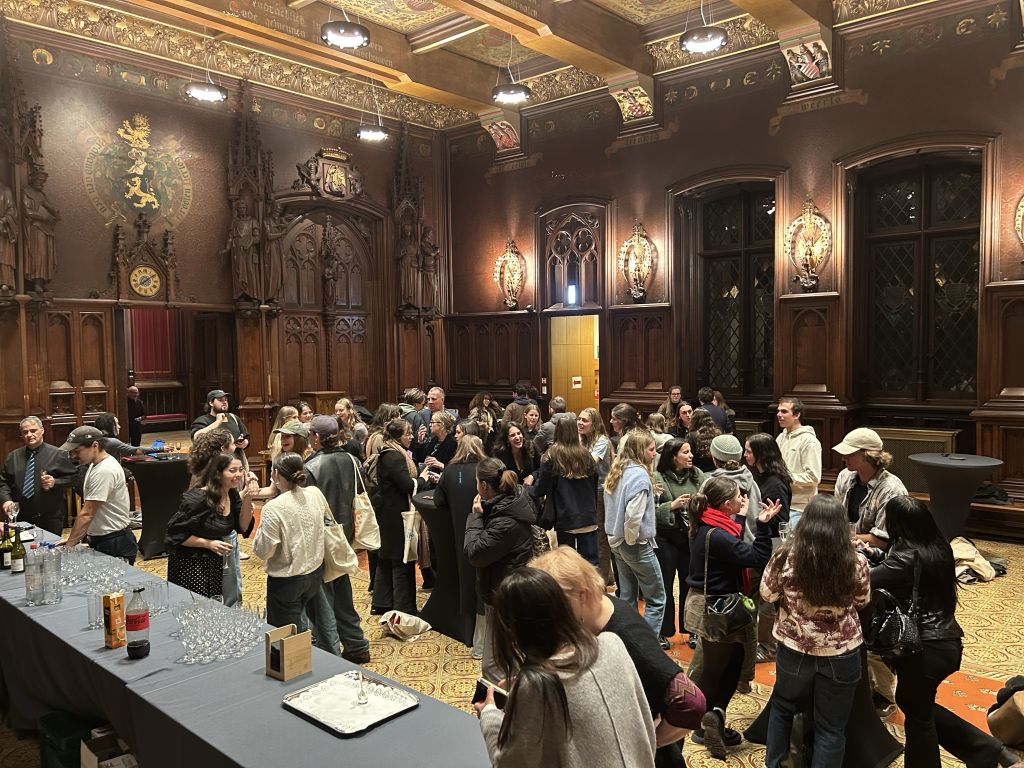
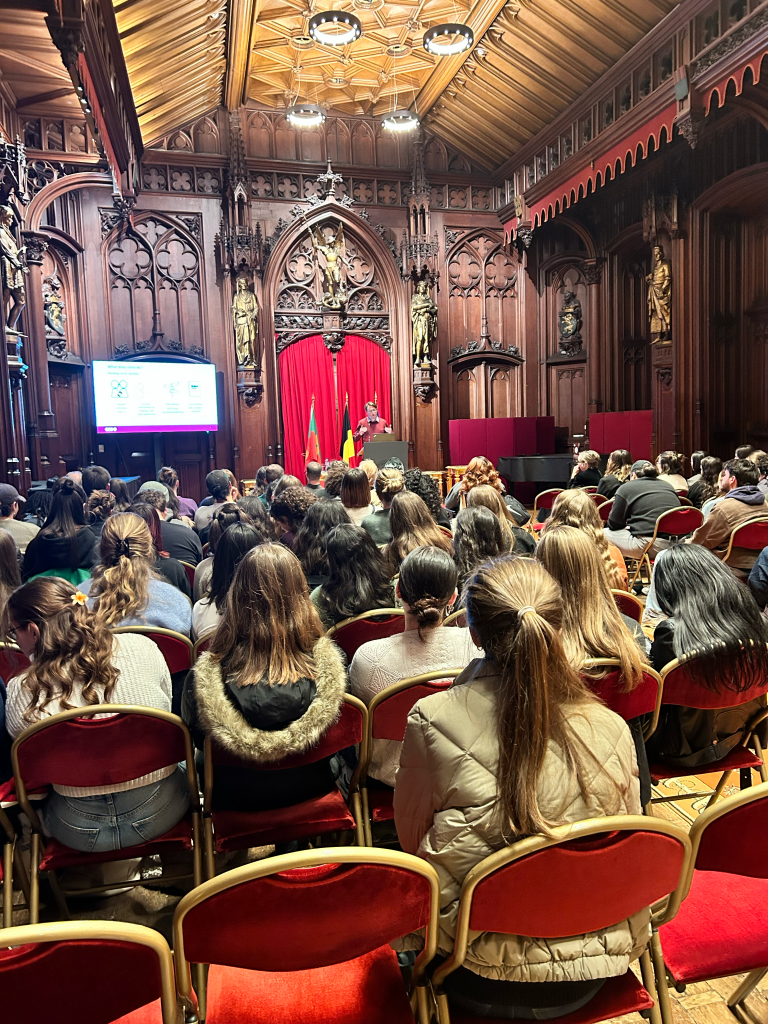
The 80 students began their BIP week with a welcome reception in the Gothic Hall of the Town Hall by the Mayor of Brussels, Philippe Close, followed by a meeting with Eric Corijn, founder of the Cosmopolis Institute , and Thomas Van Zwol from UNIA. They provided valuable insight into the challenges of intercultural dialogue in Brussels.
The following day, our BLOC 3 students in the MaCCS pre-orientation programme presented their vision of Brussels, the result of urban ethnographic work carried out in 10 Brussels municipalities during the first term's English course. They were also able to count on the commitment and collaboration of Fabrizio Cassol, a world-renowned composer and saxophonist.
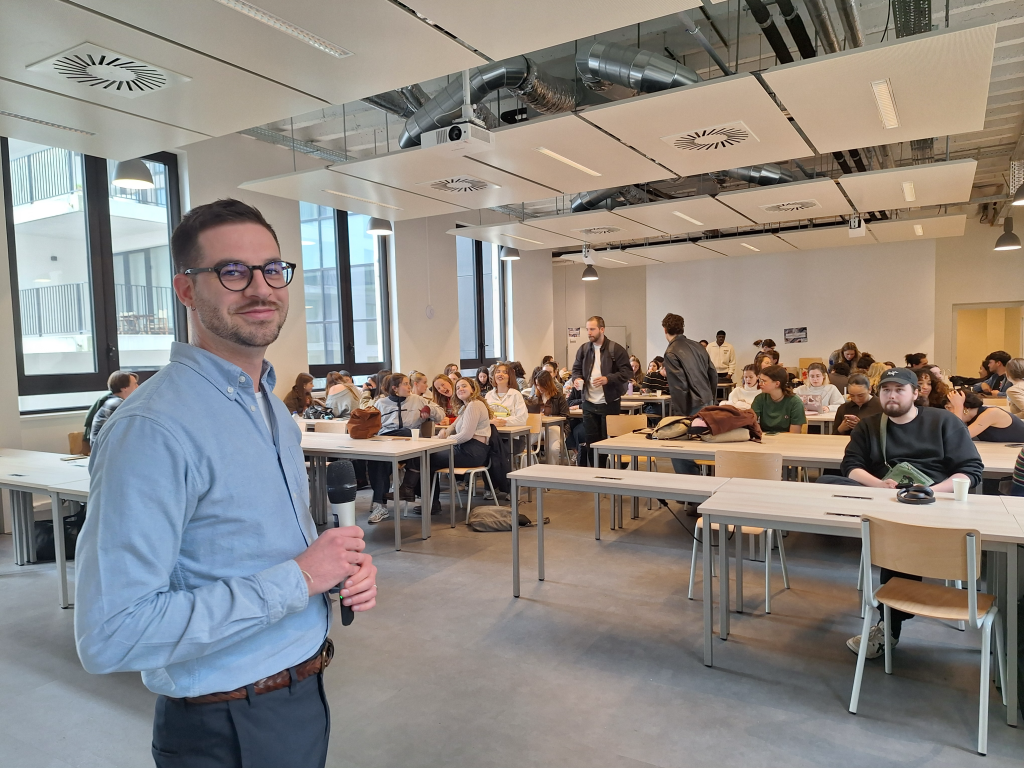
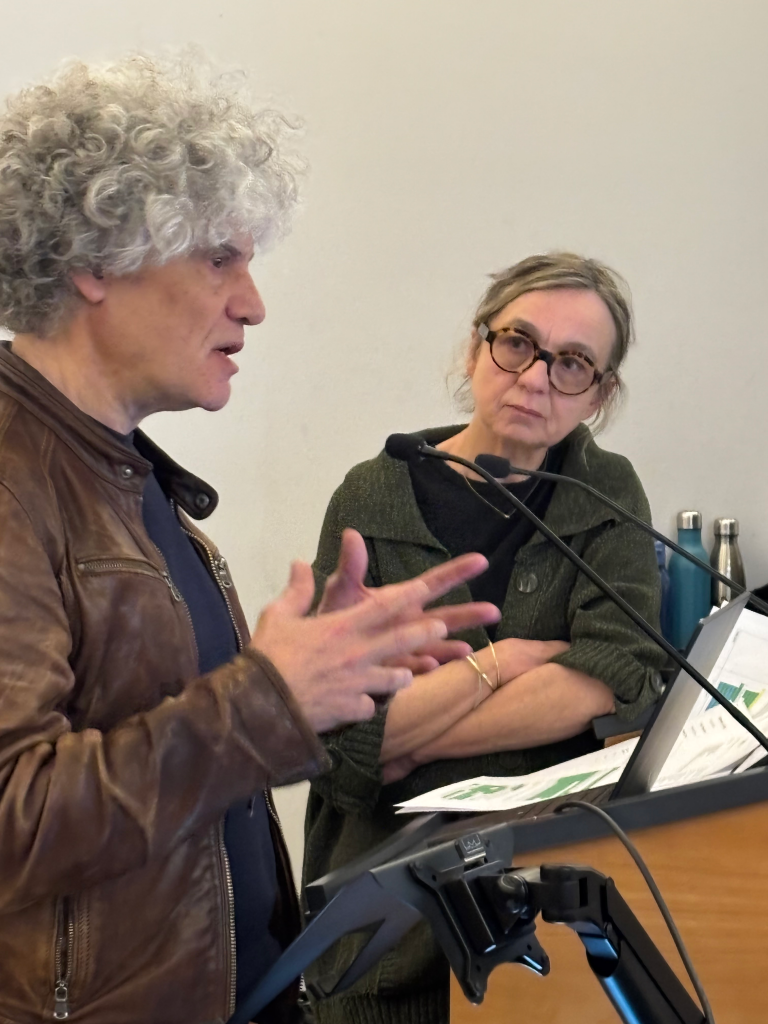
Next, Dinand Warringa and Robert Warren, our international partners, led two conferences on interculturality.
The round tables brought together a panel of experts. Among them, the students had the opportunity to meet Hélène Sechehaye, researcher at the ULB and professor at the Royal Conservatory of Brussels, specialist in traditional music, Alexandre Ansay, Director of the Brussels Centre for Intercultural Action, and Margaud Antoine-Fabry, coordinator at Communa. Marco Martiniello, FNRS Director at ULiège and migration specialist, unfortunately had to cancel his visit. Their presentations provided an in-depth look at the foundations and challenges of intercultural action.
Throughout the week, participants travelled around Brussels, from Jette to Forest, to meet key players in the Brussels intercultural scene and take part in discussions and workshops with Leen from Zinneke, the team from the Migration Museum and the Foyer, Margaux from the Maison de la Création in Laeken, Astrid, Stéphanie and Mouna from This is Us, Benoit from Park Poetik, Gilles from Ultima Vez, Seppe from Leon Dance, Alice, Annabel and Lubnan from Cinemaximiliaan, Marie from Decor Atelier, Yves from Kanal - Centre Pompidou, Jan and Sarah from Waka Up and Toestand. These exchanges enabled the students to understand how intercultural action is built in practice in the field, particularly in Brussels.
The week was also dedicated to group work aimed at creating an intercultural project inspired by the week's meetings, exchanges and workshops, while developing their critical thinking skills in relation to the potential obstacles and difficulties that such a project entails. These projects were presented during the final session of the BIP on 24 March.
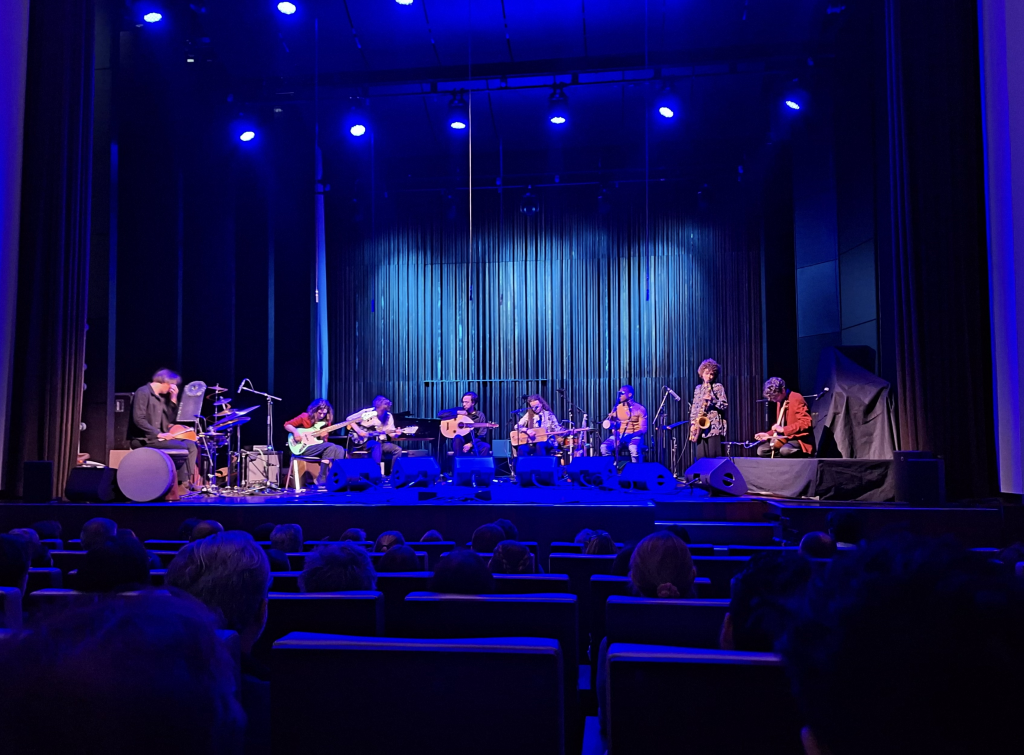
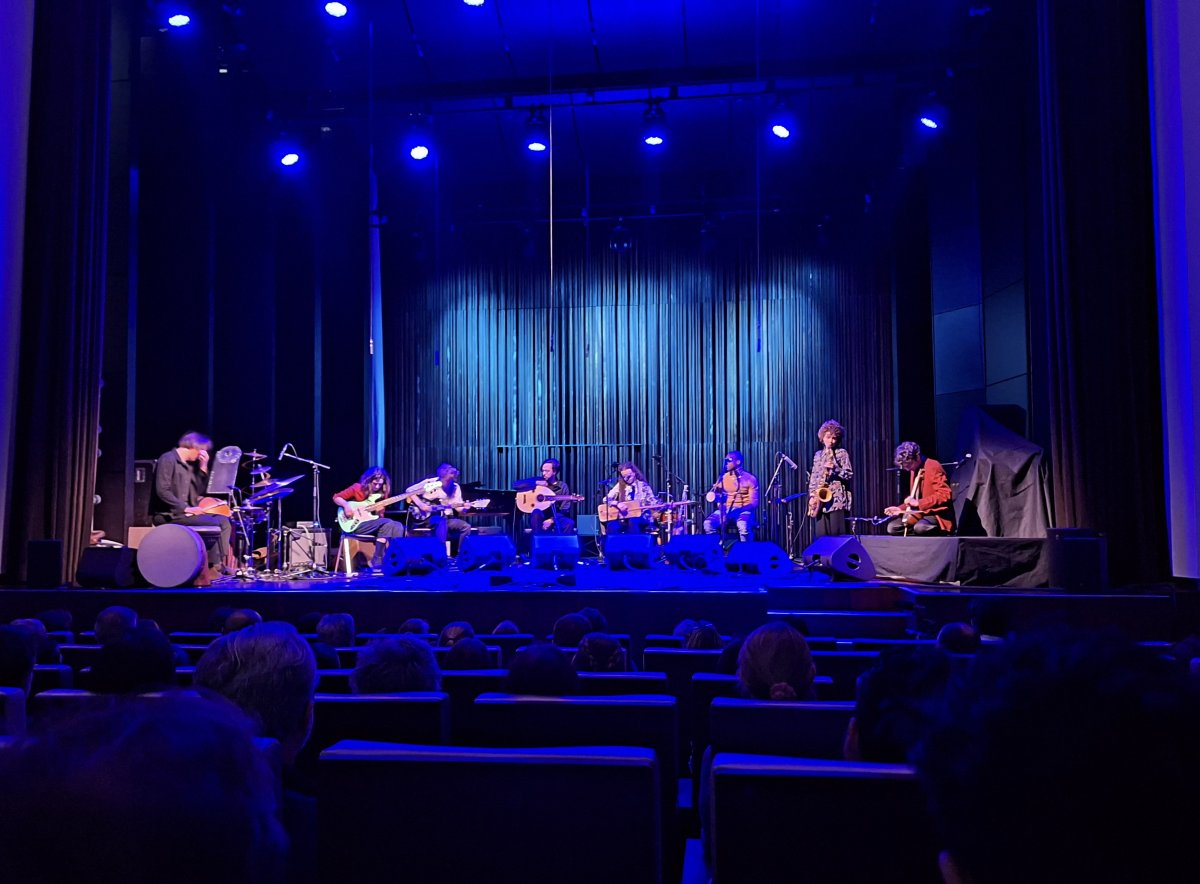
The Brussels Sound Orchestra concert at the Museums of Fine Arts on Saturday afternoon was one of the highlights of the week: thank you to Fabrizio Cassol for the invitation and to the Klara Festival for the complimentary tickets!
The enthusiasm and satisfaction of the students was evident during the closing session. Their feedback was very positive: they particularly highlighted the opportunity to explore the cultural and human richness of Brussels, the interest of working with international students from diverse cultural backgrounds, and the opportunity to practise English in a professional setting. The teachers, for their part, were delighted with the projects carried out and the exchanges that punctuated the week.
We would like to extend our warmest thanks to everyone mentioned in this article who contributed to the success of this project. Finally, a special thank you to Anne Pittomvils, Anne Toussaint and Quentin Moeskops who set up this project, as well as to Sophie Henrard, Inès Frère, Zoé Moranduzzo and Furaya Kayembe from the International Department for their unfailing support and availability.
What is a BIP?
Blended Intensive Programmes (BIPs) represent a new form of international mobility. These programmes offer students the opportunity to enjoy a short experience abroad, funded by Erasmus+. Their distinctive feature is that they combine short physical mobility with a compulsory virtual component. They bring together participants from several European universities, from at least three EU Member States and third countries associated with the programme, thus broadening academic and cultural horizons. Organised at different times of the year, these programmes are aimed at several types of audience: students as part of their studies and staff members for training or teaching.
Students attracted by this new type of mobility
Each year, IHECS enables more than 250 students to go abroad on Erasmus during their third year of their bachelor's degree. For various reasons, not all students go abroad or simply do not wish to do so. The BIP offers them the opportunity to benefit from the advantages of a cultural exchange while remaining in their own country.
This exchange is also reinforced by the participation of teachers from partner universities, each contributing their pedagogical expertise and vision to build an enriching and high-quality collaborative project.