A look back at the live radio programme: "DRC: What alternatives for peace?"
This programme, the result of a collaboration between the IHECS international department and the City of Brussels' International Solidarity Unit, had two objectives:
- to raise awareness among young people about issues of international solidarity
- to promote intercultural work
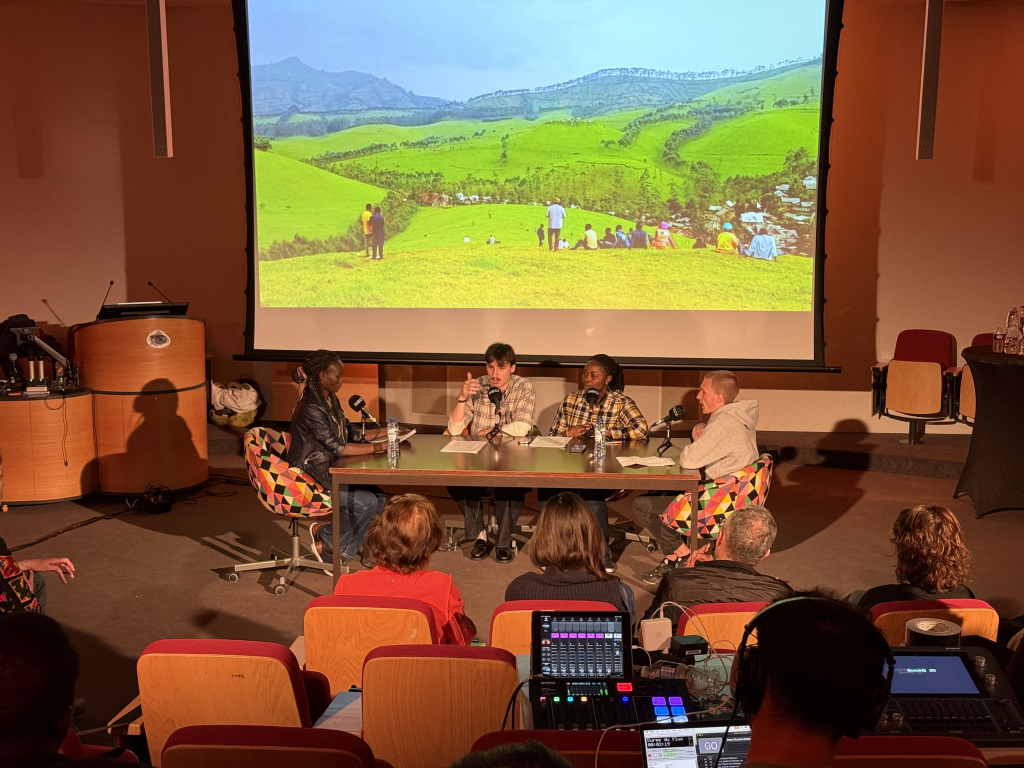
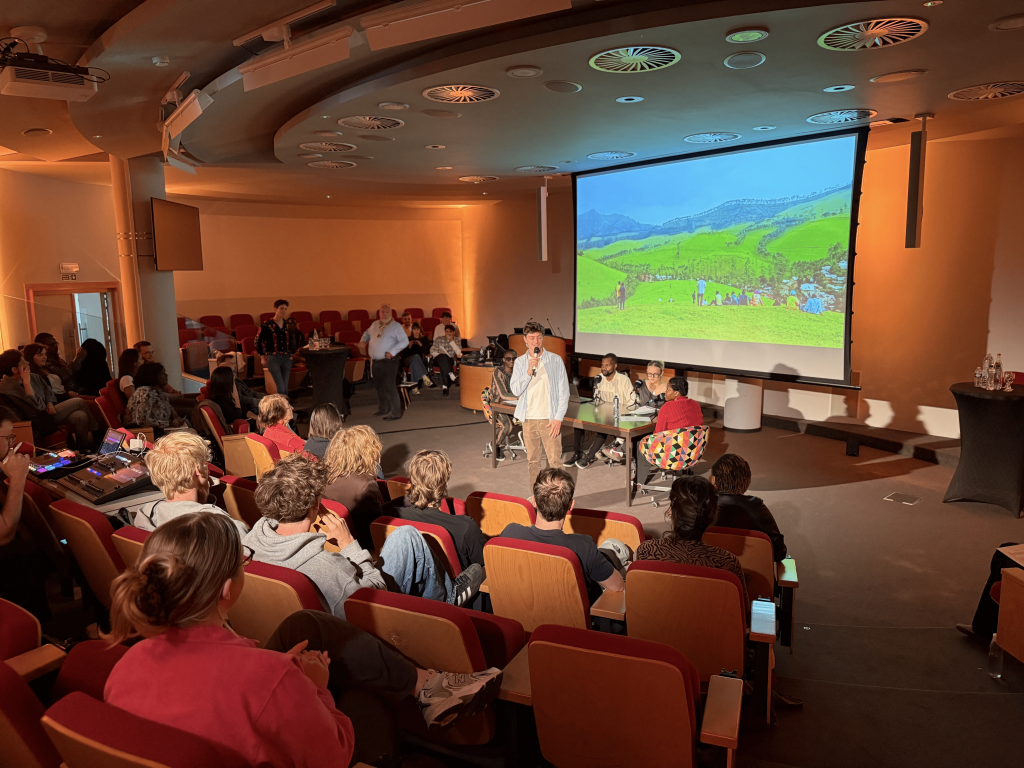
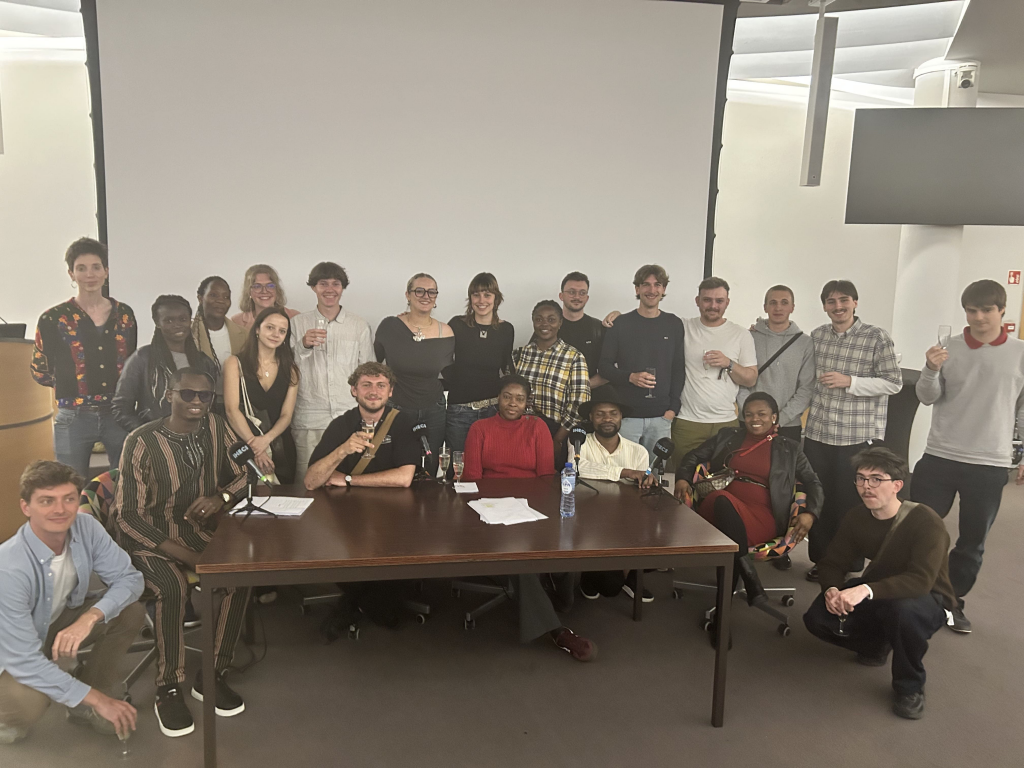
The live broadcast, with technical support from Fluid Radio, was part of a workshop for Master's 1 students in Press and Information (PI) and visiting journalists from Benin, Senegal and the Democratic Republic of Congo, as part of a programme funded by ARES. For two weeks, they were supervised by Wilson Fache, a freelance journalist and former IHECS student (Albert Londres Prize 2023), and Hélène Combis, a journalist with solid experience in writing articles, reports and podcasts for France Culture's culture, digital and media editorial team. Together, they produced a series of press articles, podcasts and radio reports on the situation in eastern DRC from Belgium. This live broadcast marked the end of the radio course.
With only a day and a half of preparation, the students and journalists rose to the challenge of producing a live broadcast. Presentations, interviews, analysis, reports prepared in advance... They took on all the roles necessary to put together a live programme.
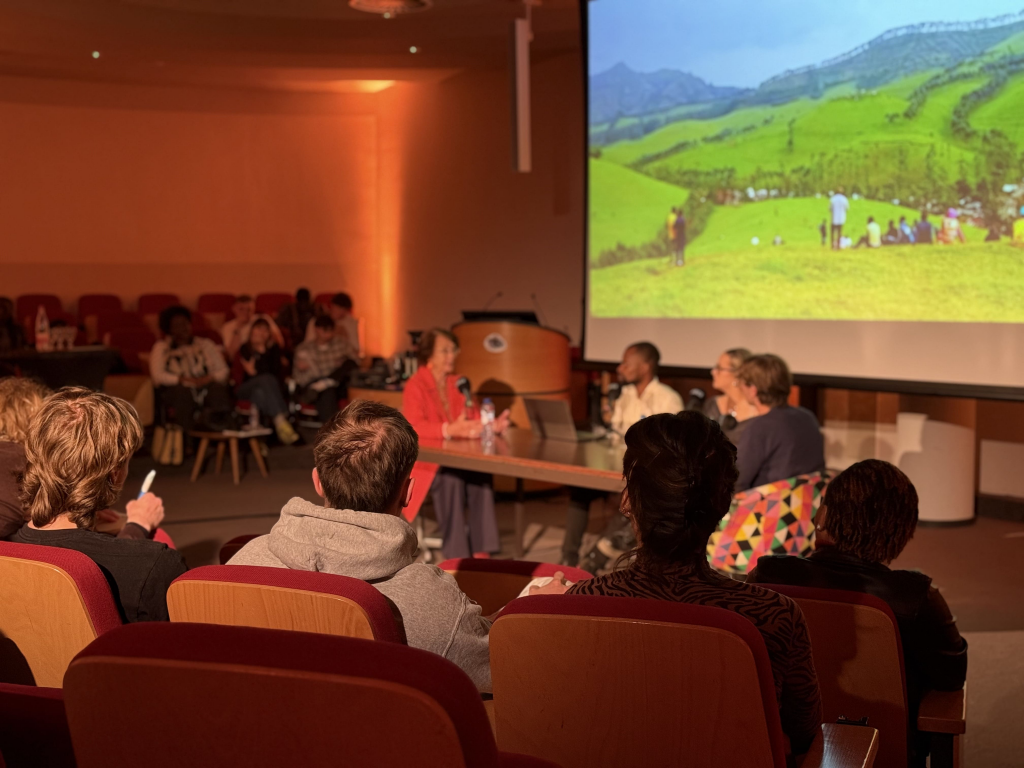
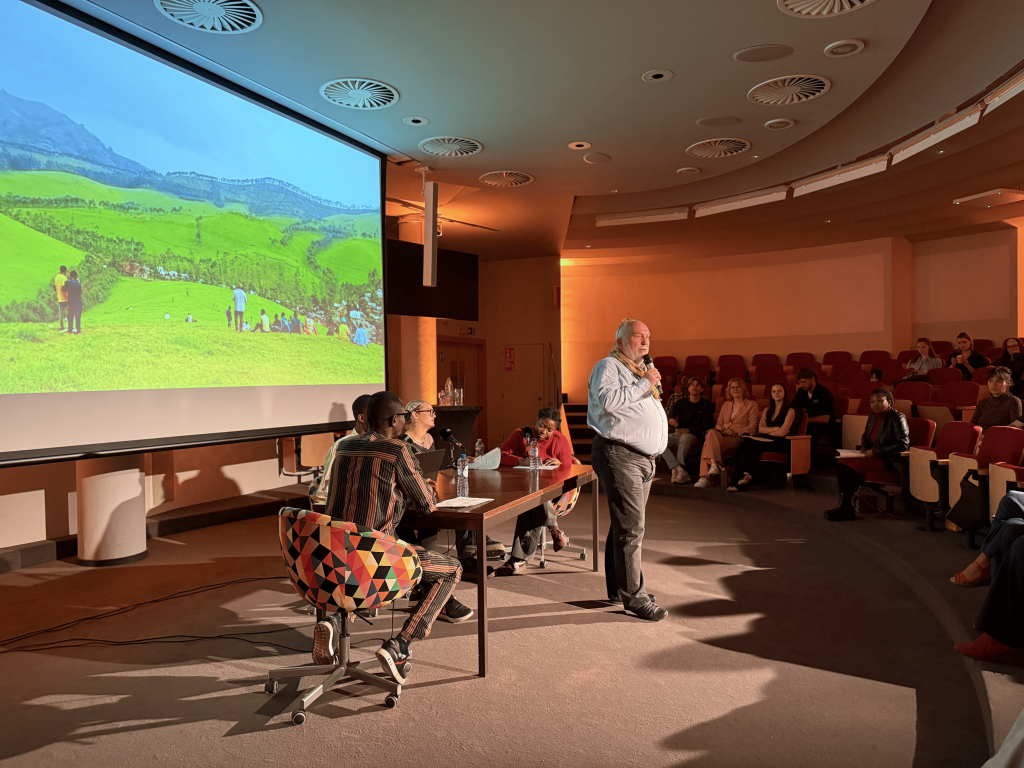
Nearly 100 people attended the programme in person at IHECS, while other listeners and partners in the DRC, Burkina Faso, Benin, Senegal, Niger, Madagascar and Vietnam were able to follow it via a link that had been shared with them.
The programme was divided into two parts. First, they focused on the geopolitical context in the DRC, marked by clashes in the cities of Goma and Bukavu in the provinces of North and South Kivu. The discussions highlighted the causes of these conflicts, namely mineral extraction and security instability, exacerbated by the inaction of the international community.
The discussion also focused on the situation experienced by women in the region. It is clear that, in this conflict, violence is being perpetrated against women and that rape is being used by armed rebel groups as a "weapon of war".
The second part of the programme explored the prospects for peace and the future of the DRC. It addressed historical tensions with Rwanda, the difficulties of integrating the M23 into the region's official structures, and the attempts at negotiation in Doha and Washington with a view to a potential peace agreement in June 2025.
The debate also highlighted the importance of responsible consumption in our countries in order to raise awareness and limit demand for minerals that are at the root of conflicts in eastern DRC.
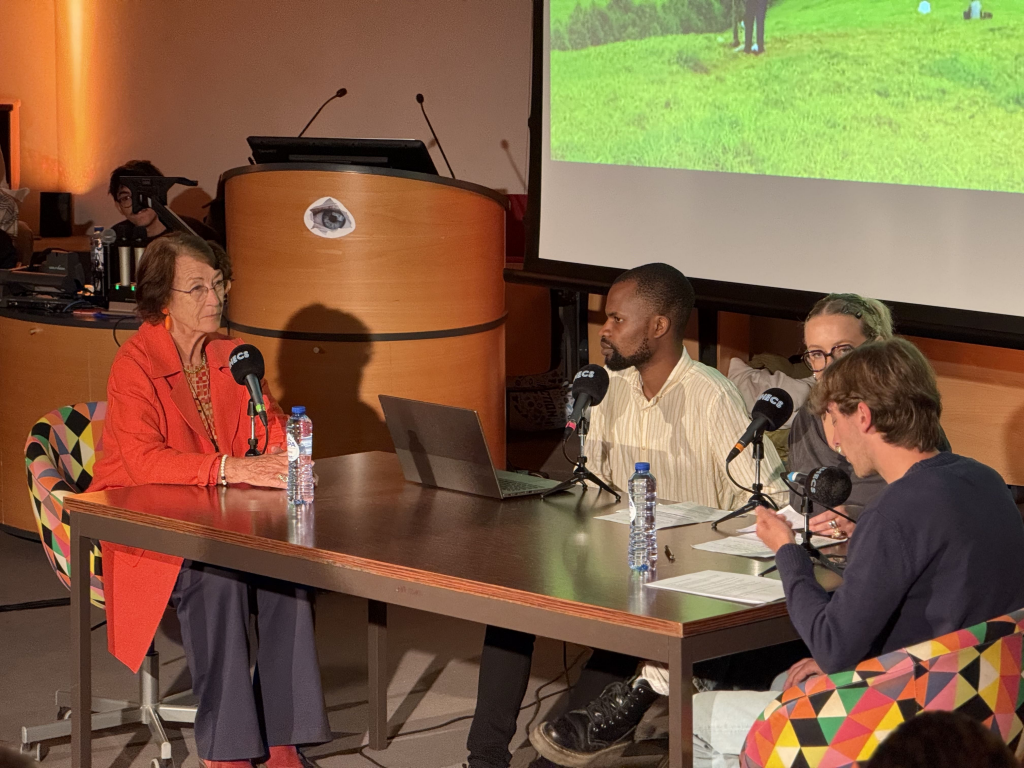
Finally, the event brought together two distinguished guests:
- Colette Braeckman: a journalist specialising in Central Africa, Rwanda, Burundi and, above all, the DRC. She shared her experience in the field, particularly during her latest report in January in Goma after the city was taken by the M23.
- Maddy Tiembe from the AFEDE organisation presented her work supporting women and children who are victims of violence in eastern DRC, particularly through activities in Belgium.
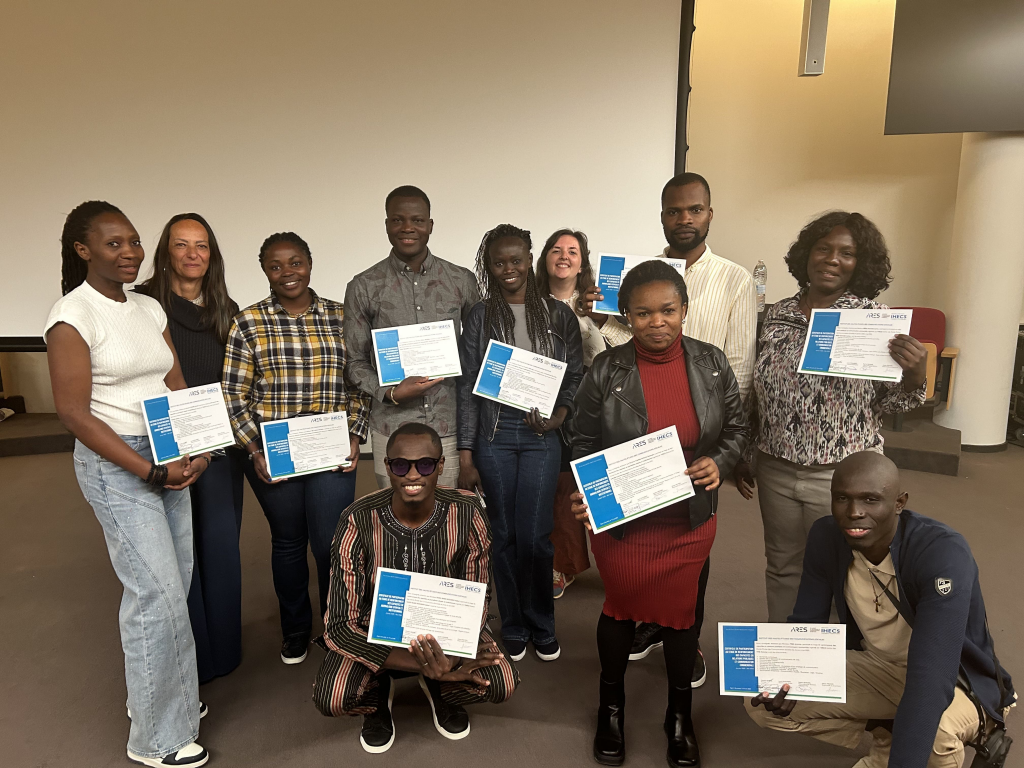
At the end of the programme, all the ARES mobility journalists gathered to receive their official IHECS certificate, which covers all the theoretical courses and practical workshops they attended throughout the semester. A closing drink extended this moment of recognition, filled with emotion and pride.
Want to listen to the programme again?