ARES interns: professionals in training at IHECS
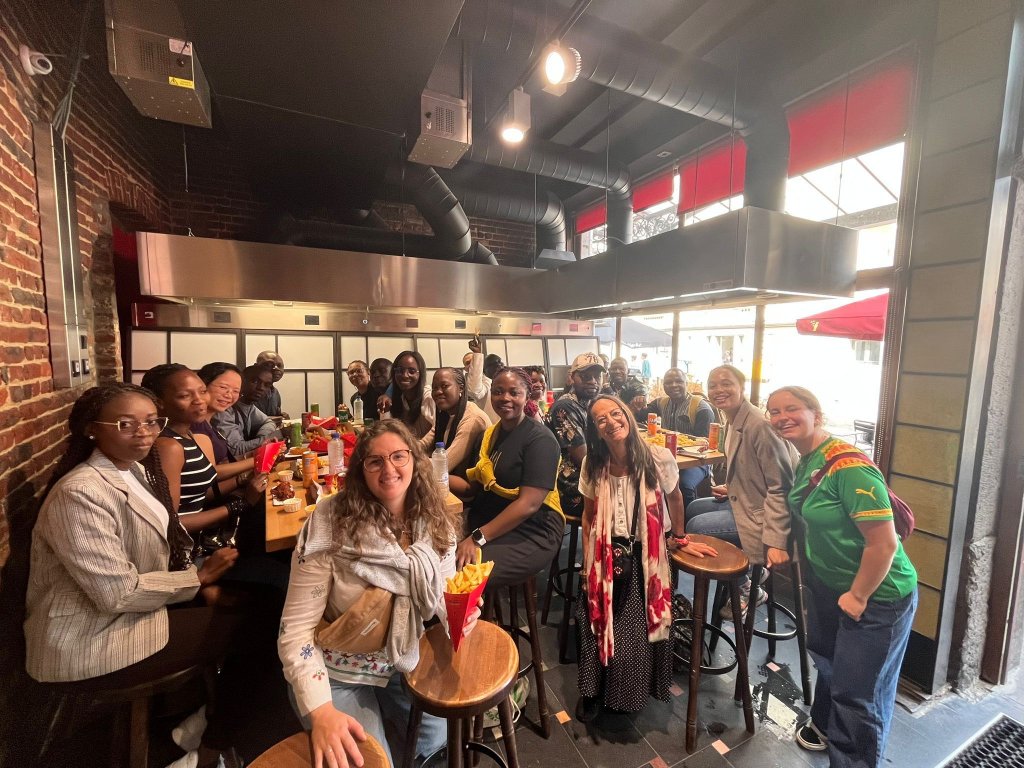
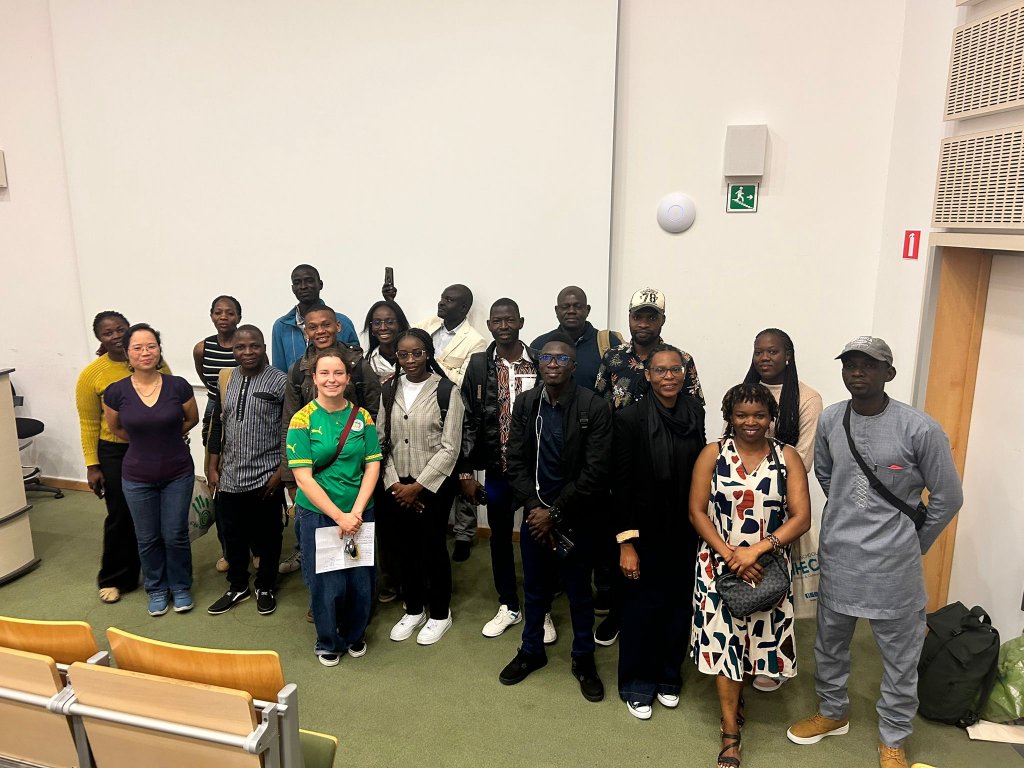
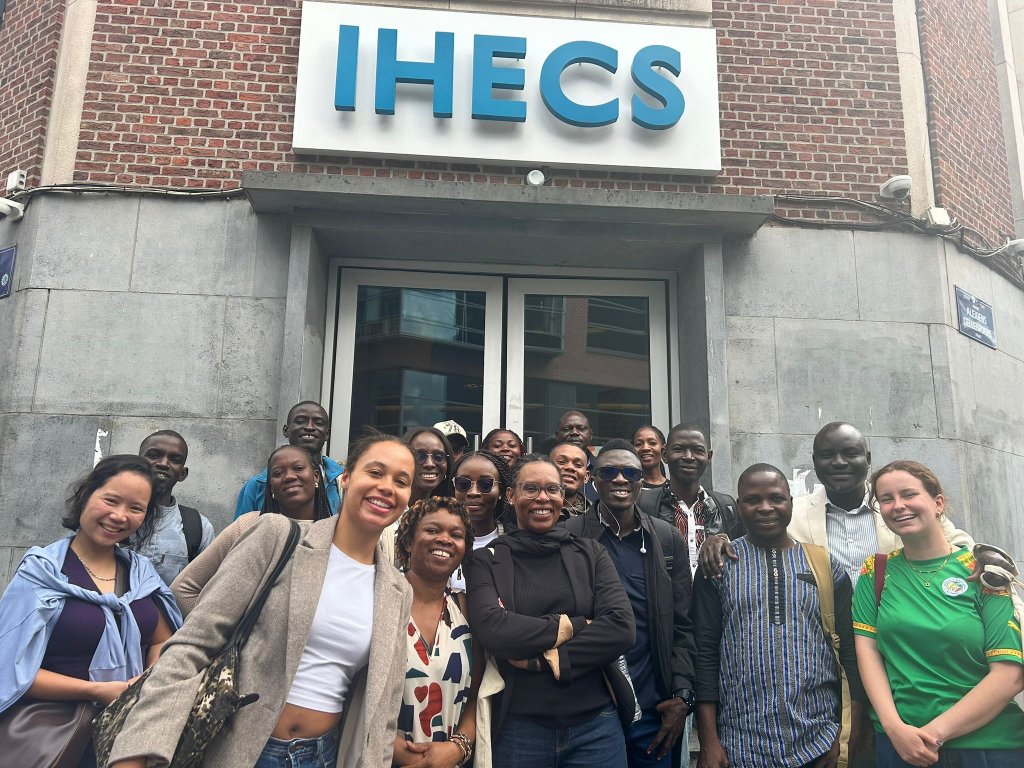
As it does every year, IHECS is welcoming several ARES interns from Africa and Asia to follow a personalised training programme in the fields of communication and journalism. For three months, these professionals from Benin, Burkina Faso, Senegal, the Democratic Republic of Congo, Niger and Vietnam will be joining the institution's various master's programmes, according to objectives related to their professional practice.
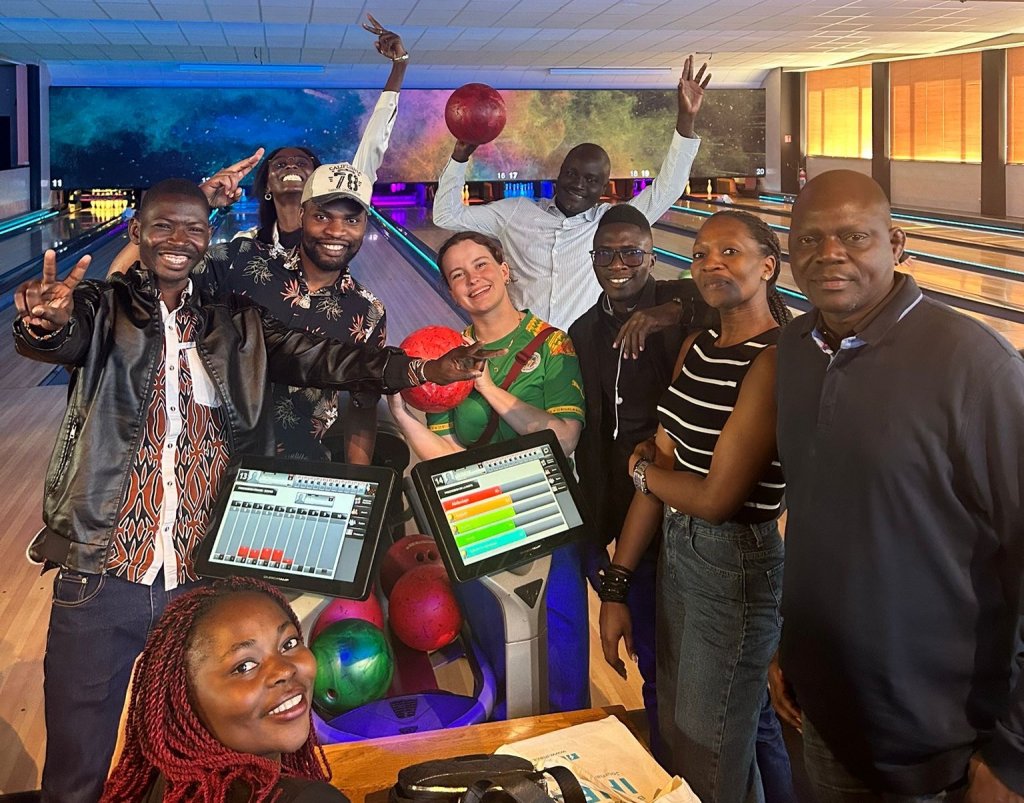
Discover Brussels in a different way
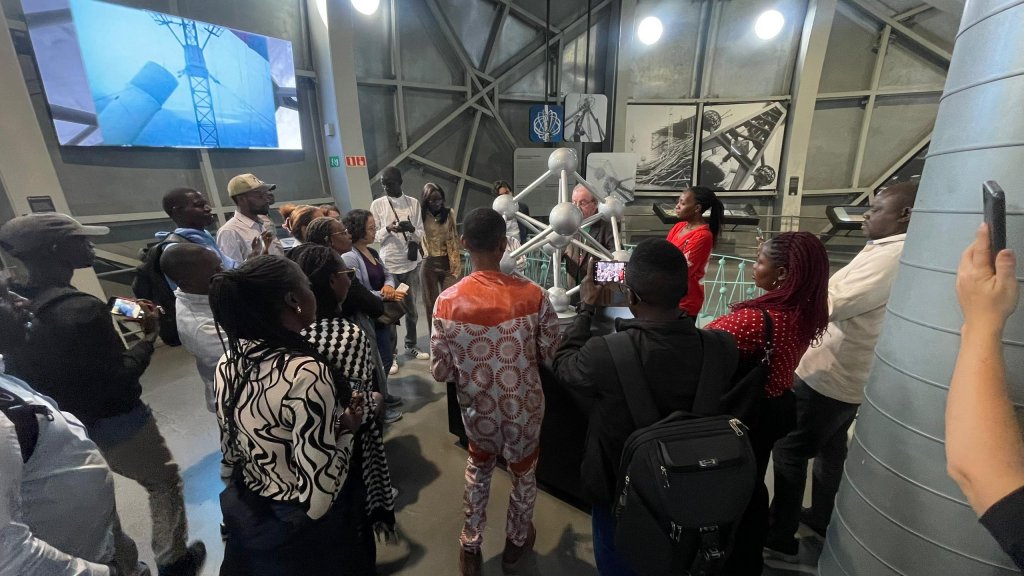
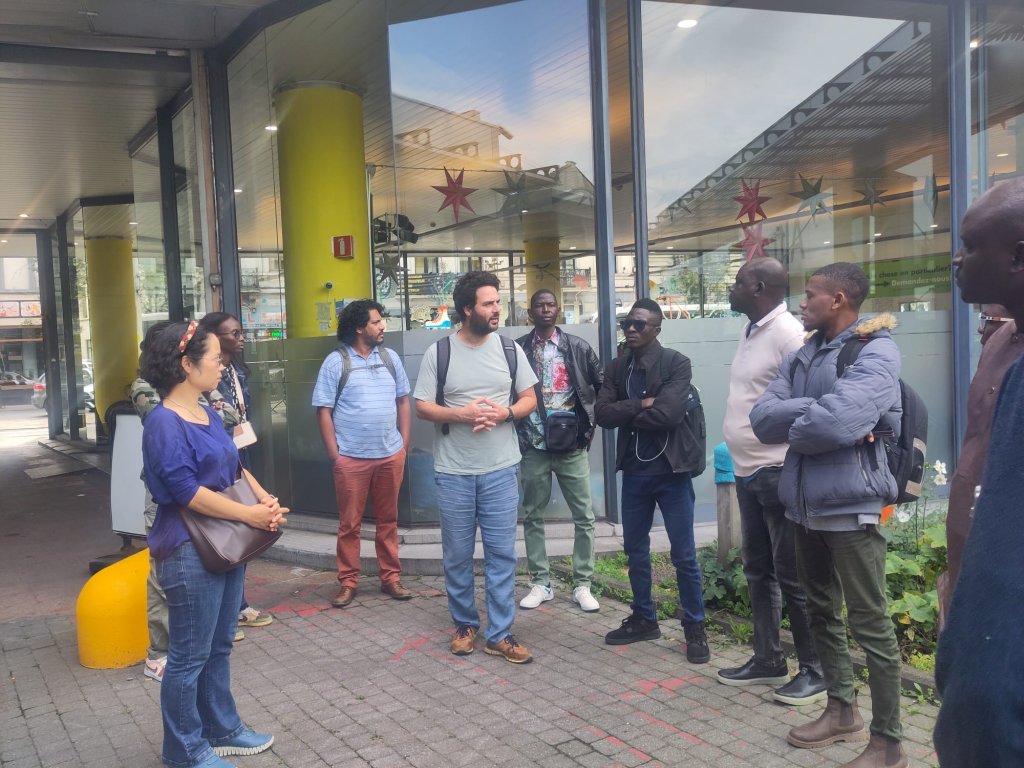
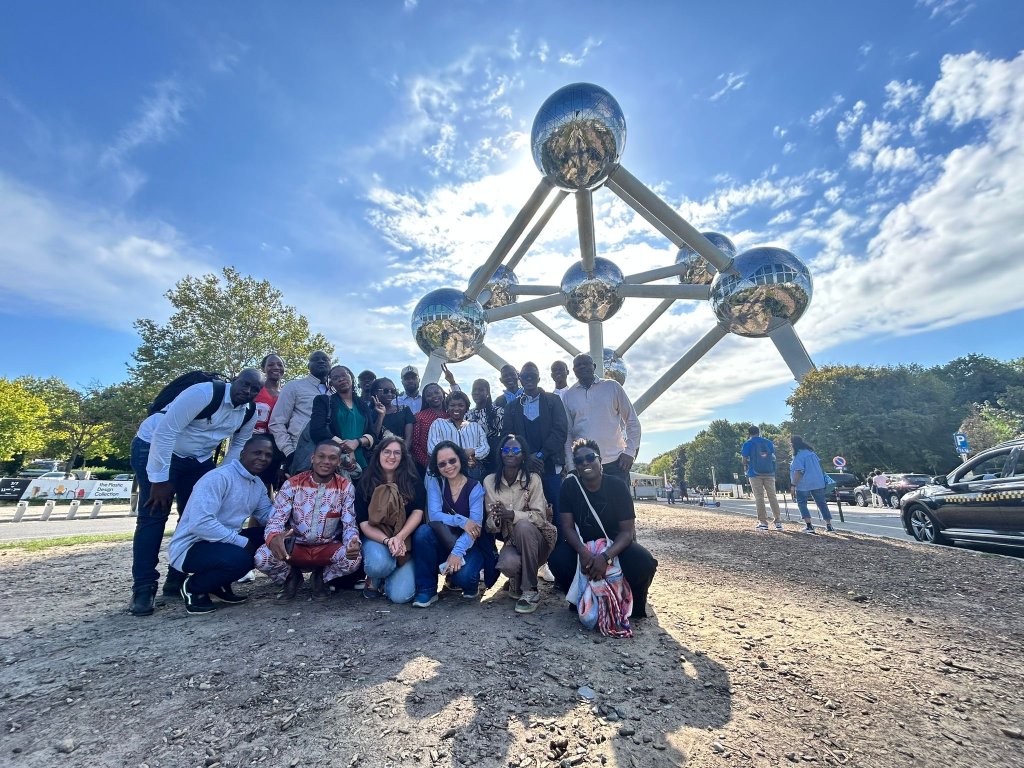
Upon arrival, the interns took part in a week-long induction programme focused on discovery. The programme included visits to the city centre, the Design Museum and the Atomium, as well as a guided tour by the Zinneguides . This Brussels-based association invites visitors to discover the city through the stories of its inhabitants, many of whom have a migrant background. Two iconic neighbourhoods were explored: Saint-Josse, steeped in the history of Italian immigration, and Cureghem, a living reflection of Brussels' multiculturalism.
These cultural and human exchanges allowed the trainees to see the city in a different light, beyond the usual tourist itineraries.
A strengthened partnership with Benin
While the ARES programme is well established at IHECS, the partnership with Benin is still relatively new, having been initiated just two years ago. This year, it has taken shape with the arrival of two interns from Benin: Guéra Orou Gonrou Ganne and Kassim Zato, both from the community radio station FM Nonsina, located in northern Benin.
A journalist, presenter and editor, Guéra works with several French-language newspapers and produces content for social media. Here, he is taking courses in the PI master's programme to enrich his professional practice, particularly in audiovisual production, digital platform management and media economics. He says:
"Participating in this programme is an opportunity to find new ideas that will make our media stronger and more sustainable."
Kassim, meanwhile, runs FM Nonsina radio and has solid experience in media management and journalist training. He has an ambitious project: to create a network of school clubs to support young people in content production and critical analysis of information. At IHECS, he has decided to further his knowledge with a master's degree in EAM. His goal is clear:
"To enable young people to be both active members of their community and informed citizens."
Their presence in Brussels provides valuable insight into the role of community media in West Africa and the challenges they face. It also illustrates the richness of the intercultural exchanges encouraged by the ARES programme.