An immersion in the heart of war journalism in Brussels
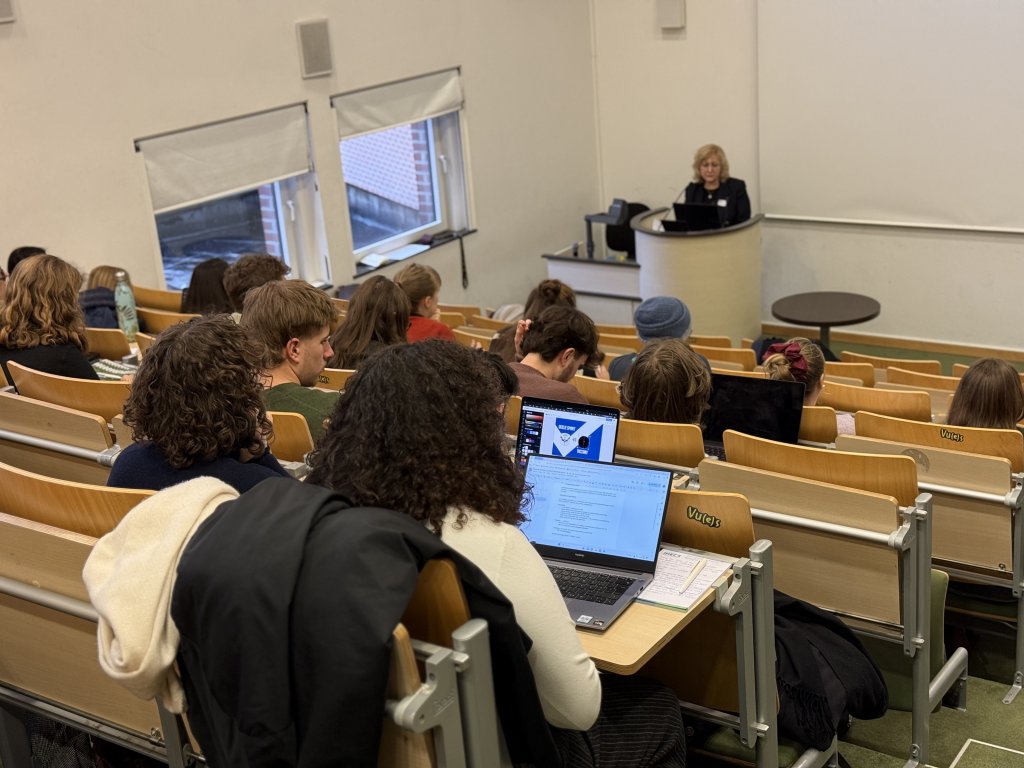
This Blended Intensive Programme (BIP) brought together, from Monday to Friday, students from Dortmund, Gothenburg and Lisbon, alongside our third-year Media and Information students specialising in web journalism. The programme was led by a team of experts, including reporter Wilson Fache (winner of the Albert Londres Prize and a 2015 PI alumnus), Toma Istomina (editor-in-chief of the Kyiv Independent) and two lecturers from Borys Grinchenko University in Kyiv.
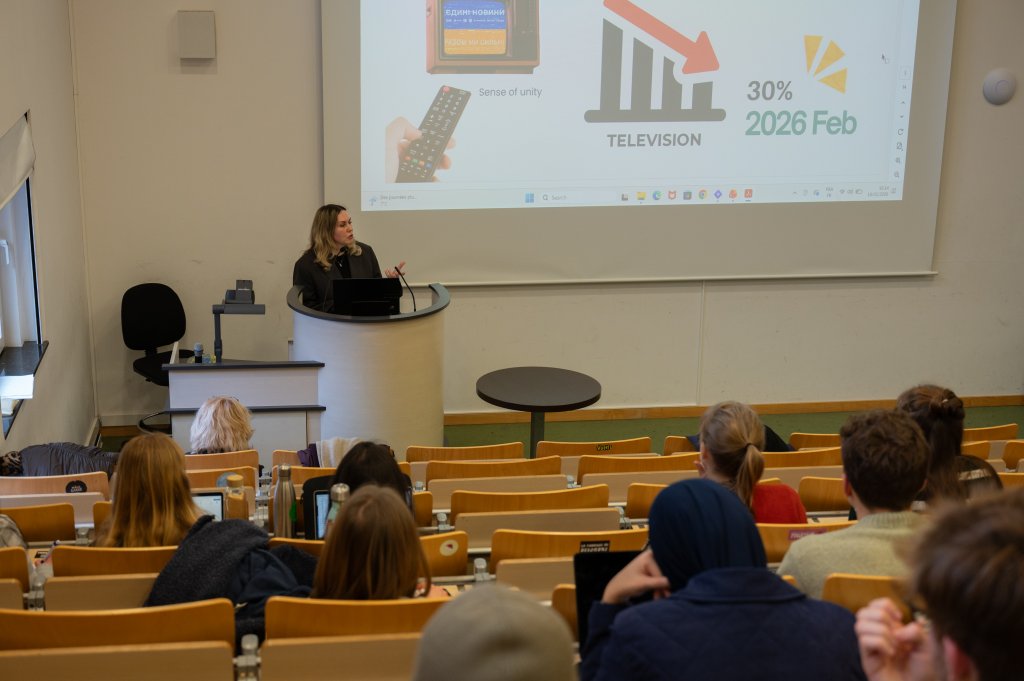
Through their talks, the students were able to decipher the ‘digital front line’ and reflect on the crucial role of emotions in conveying facts during times of conflict.
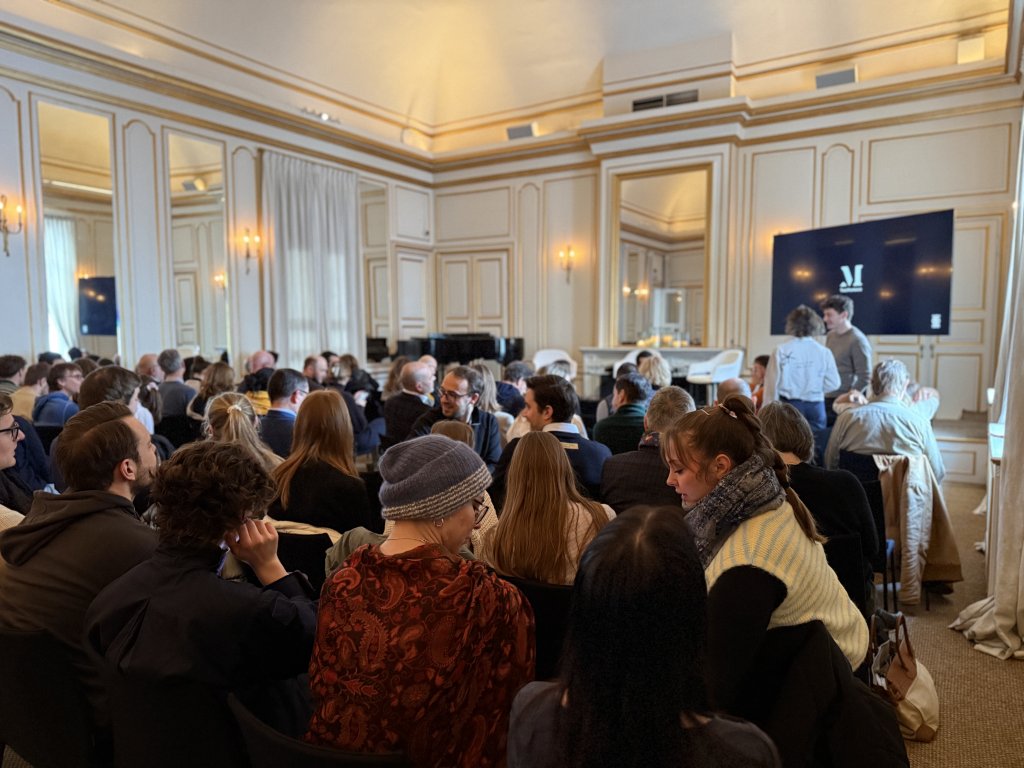
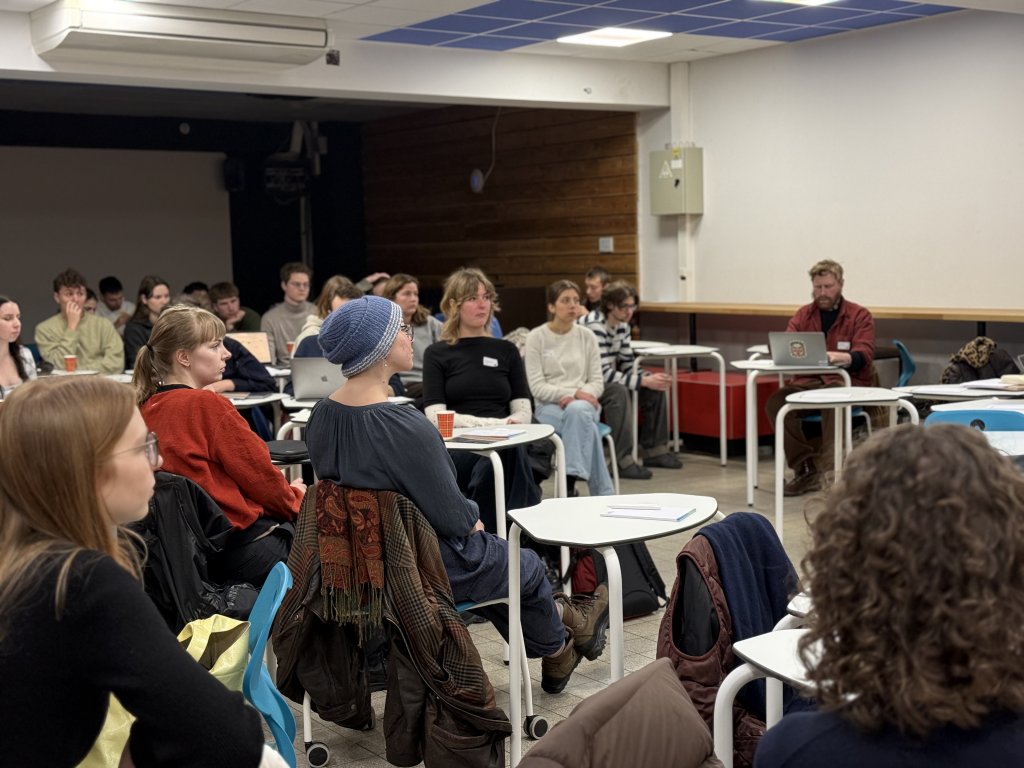
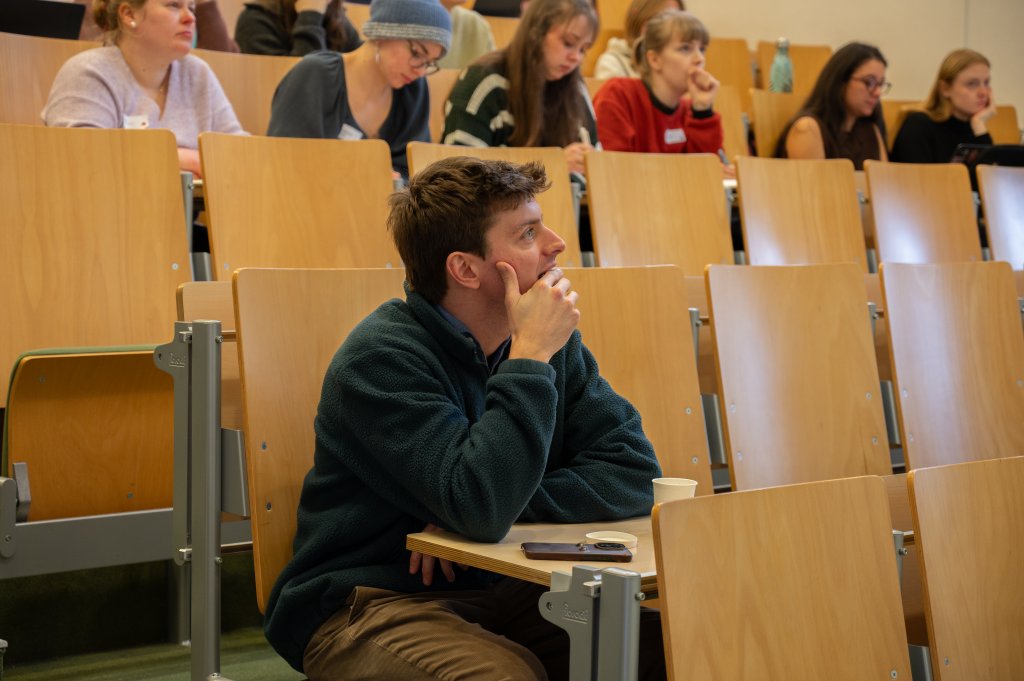
The week combined workshops, lectures, experience-sharing sessions and a visit to a photography exhibition. What made this week unique was its location in the heart of Brussels, the European capital and a diplomatic hub, offering a particularly rich setting for investigation. Participants took part in:
- Film screenings and photography: Featuring a screening of the 2024 Oscar-winning film “20 Days in Mariupol” and an exhibition by photographer Oleksandr Glyadyelov.
- Visits and meetings: Visits to the European Parliament and the headquarters of Médecins Sans Frontières to compare the perspectives of decision-makers and humanitarian workers.
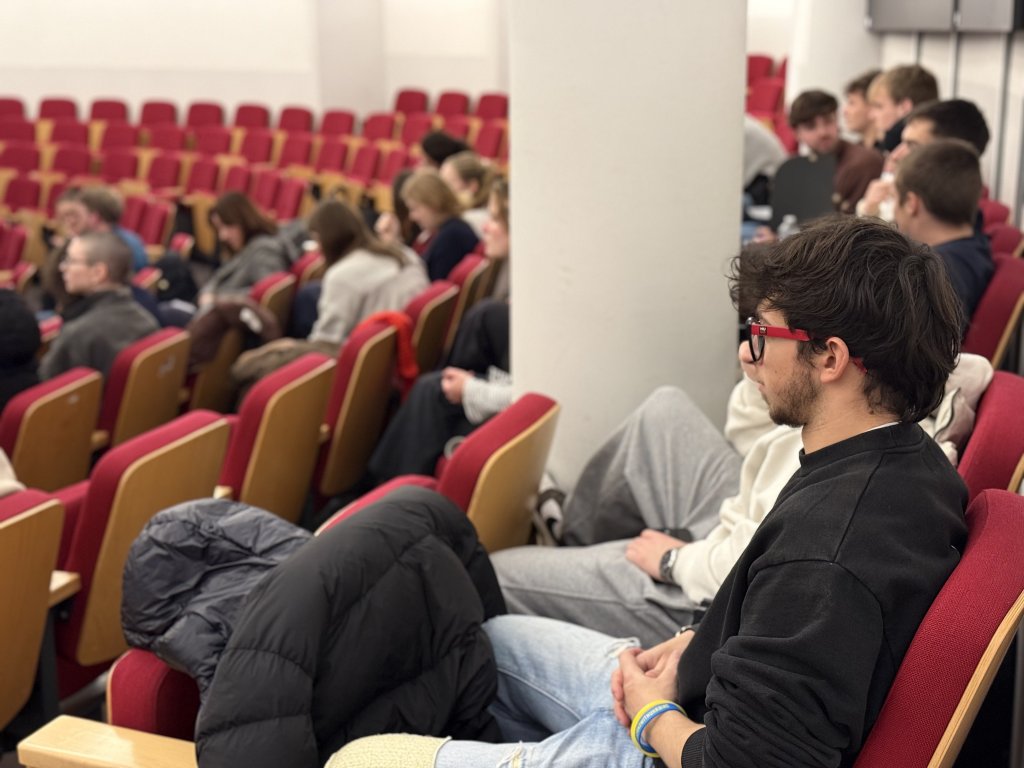
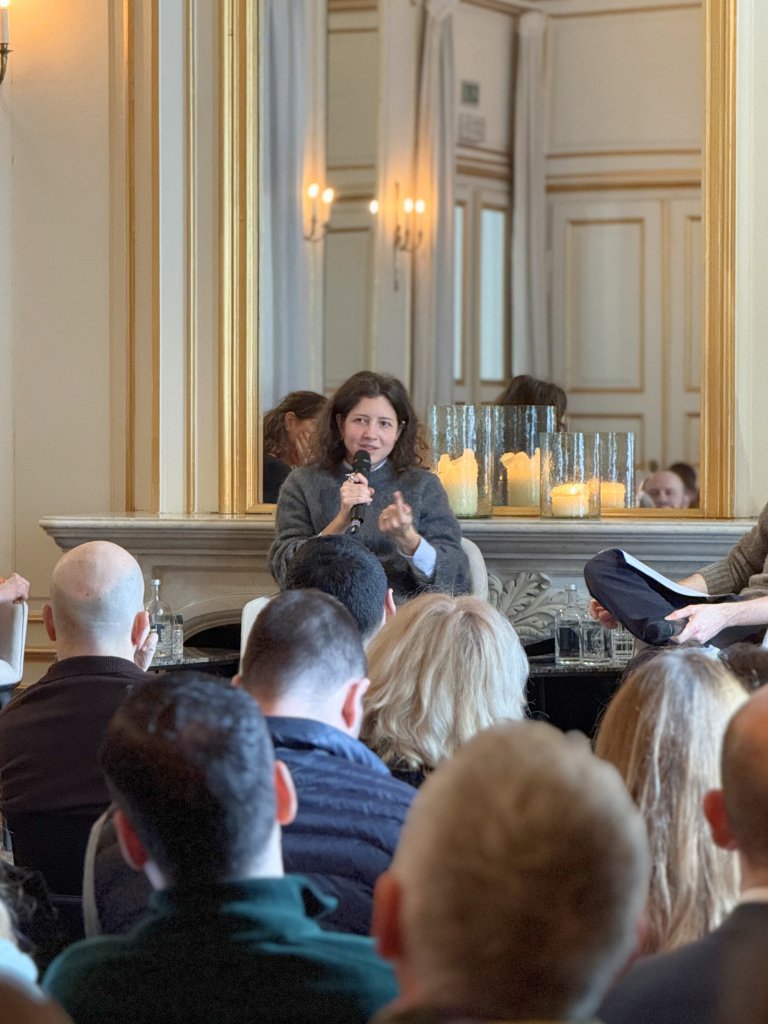
- Conference “Ukraine in 2026: the year of peace?”, delivered by Wilson Face, Toma Istomina and Aude Merlin, Professor of Political Science at the ULB, in the exceptional private setting of The Merode, fostering networking between students and experts.
A bridge between cultures and journalistic practices
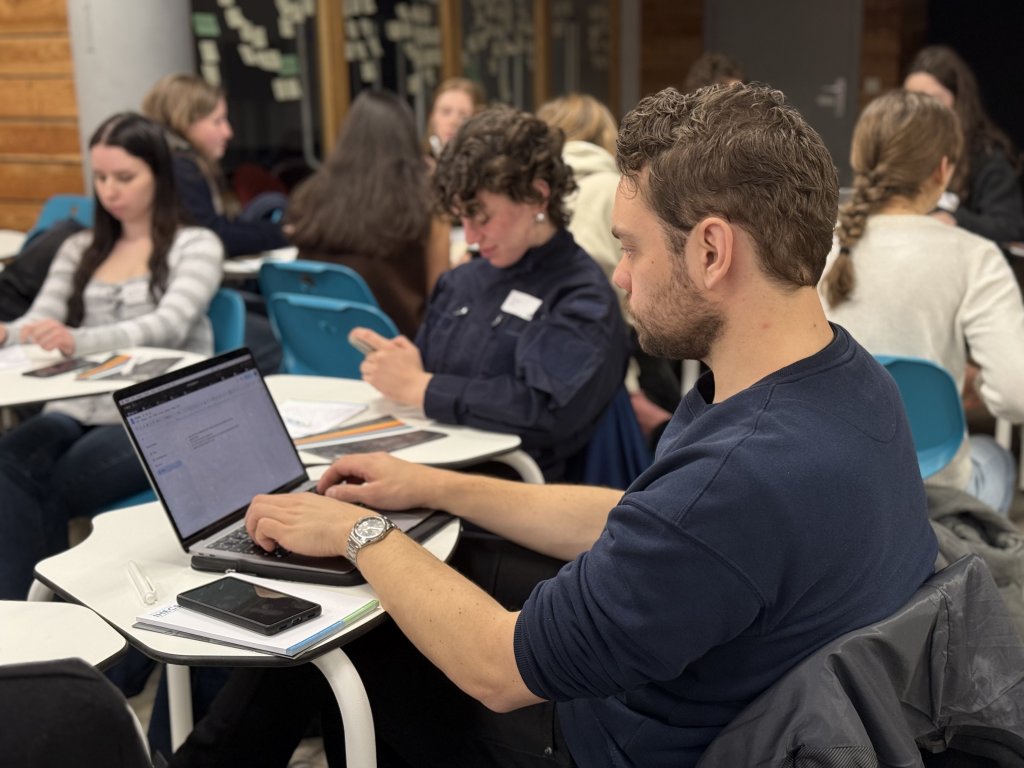
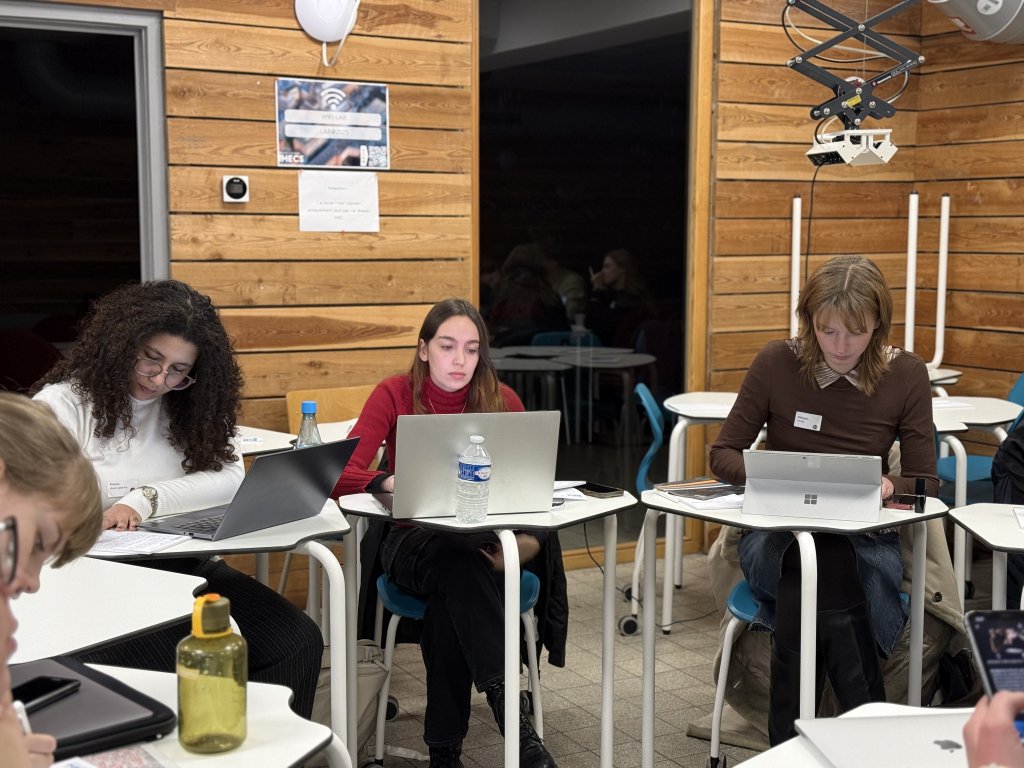
At the end of the week, participants worked in groups to produce a report (video, photo or radio) by taking advantage of Brussels’ position as the European capital to meet experts, policy-makers, humanitarian workers, diplomats and Ukrainian civilians. Throughout this busy week, the students had the opportunity to discuss their projects with their supervisors to benefit from their expertise, adding value to their final projects. The final day of the programme was dedicated to presenting the results of the workshops attended by the participants.
These projects enabled the students to put their mentors’ expertise into practice whilst engaging with the Ukrainian community in Belgium.
“This experience has confirmed that Erasmus is a powerful bridge between Ukraine and the European academic community,” emphasises Iryna Kuznietsova, a Ukrainian lecturer at Borys Grinchenko University of Kyiv, a partner university of IHECS since 2022, noting the “change in the outlook of the students who took part in the workshop”.
By making international mobility more flexible and inclusive, this BIP format continues to establish itself as an innovative educational opportunity and a chance for students who are unable to undertake long stays abroad.